JSTOR Highlights Flexible Payment Options to Help University Libraries Manage Research Costs
20 October 2026
When university libraries acquire electronic books and journals, the cost of providing access does not always end with the initial purchase. Annual subscription fees, changing research needs and limited budgets can make it difficult to maintain access to academic resources over time.
JSTOR is encouraging libraries to consider alternative purchasing arrangements that could help them expand their collections while managing these long-term financial commitments.
In its October 2026 newsletter, the digital research platform highlighted several acquisition and payment options covering scholarly ebooks, archival journals and primary source collections. The arrangements are intended to give institutions greater flexibility when planning their expenditure on academic information resources.
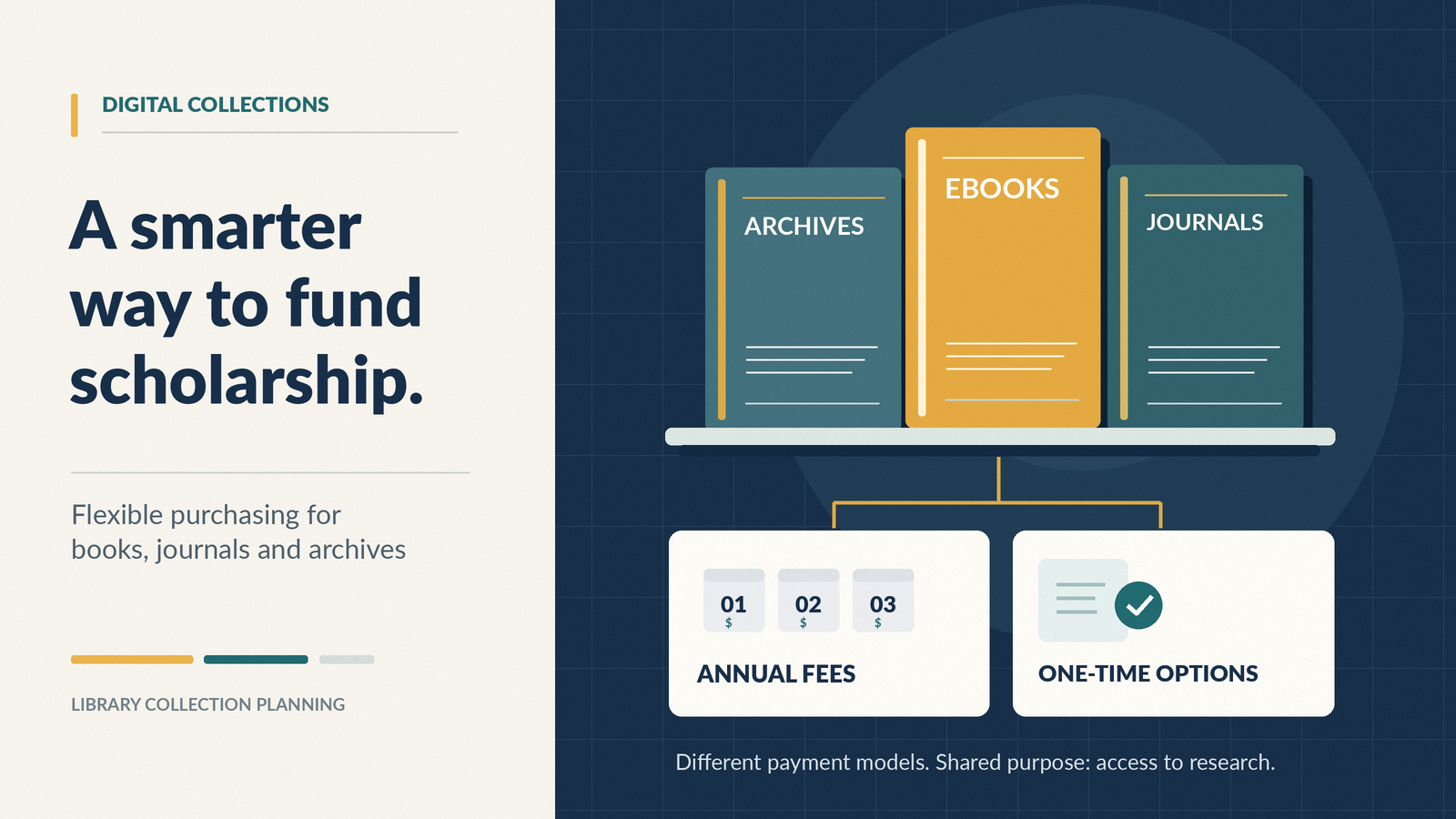
One of the options allows eligible libraries to make a one-time payment towards selected JSTOR archive collections. Depending on the institution's existing agreement, this can reduce the annual access fees associated with maintaining those collections.
The arrangement gives libraries an opportunity to balance immediate acquisition costs against future expenditure, particularly when funds are available for investment in resources expected to remain useful for many years. Libraries should also check the payment terms before making a purchase, as some collections may still attract annual fees even after a one-time payment.
The organisation is also promoting its Publisher Collections programme, which enables libraries to acquire scholarly ebooks from participating academic publishers through a structured payment model.
Under this arrangement, institutions receive a continuing licence to the current year's publications from a selected publisher. They can also access earlier titles made available by that publisher on JSTOR while their participation remains active.
Libraries can choose annual or multi-year payment arrangements, allowing them to plan acquisitions according to available funding and the subjects most relevant to their academic programmes.
Another option involves ebook subject packages, which bring together publications covering particular disciplines. Libraries can select packages that support their teaching and research priorities, instead of acquiring unrelated titles.
These packages provide continuing access to purchased books on JSTOR without requiring repeated payments for the same titles.
Subject-based packages could help the Library strengthen its collections in disciplines such as education, environmental studies and public policy, while giving priority to publications that meet the teaching and research needs of students and academic staff.
Consultations with lecturers and researchers would help identify the most relevant publications, particularly those needed for coursework, postgraduate studies and ongoing research projects.
JSTOR's Path to Open programme provides another approach to financing access to scholarly books. Participating libraries contribute through annual or multi-year arrangements to support academic publishing, with selected publications becoming freely accessible worldwide after an initial period of restricted access.
Unlike conventional purchases, the programme also supports the wider availability of research to readers whose institutions may not have the resources to acquire the books independently. The different arrangements highlight the importance of considering how academic resources will be used before committing institutional funds.
A collection serving several faculties or supporting long-term research may justify a different purchasing approach from materials needed for a short period or a specialised academic programme.
Comparing prices, licence terms and expected use with the open-access resources already available would help the library make better purchasing decisions and direct its limited funds towards collections that remain useful over time.
Students and researchers ultimately depend on these decisions for reliable access to the literature needed for assignments, dissertations, teaching and scholarly publications.
By offering different acquisition and payment models, JSTOR is providing institutions with options for planning their collections according to their financial circumstances and academic priorities. The value of each arrangement will depend on how well it meets the needs of the institution and the readers it serves.
Learn how JSTOR's flexible payment and acquisition options can help academic libraries expand access to scholarly resources while managing long-term costs. Explore JSTOR's official payment and access options.